 The BMT Guarantee
 Residential case study
 Commercial case study


Newsletter
Keeping it clean: Maximising tax depreciation in asset-heavy businesses
Carwashes and laundromats are examples of inherently asset-intensive businesses. In these models, capital is concentrated in mechanical systems, automation, and specialised infrastructure rather than labour. As this operating approach gains popularity, it enables efficient, scalable operations while also creating significant opportunities for tax depreciation.
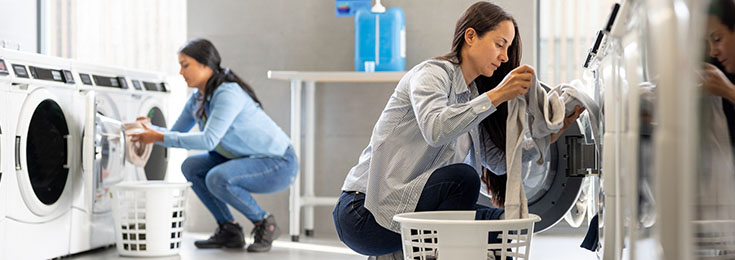
Modern self-serve and automatic carwash facilities typically operate with minimal staffing, with owners focused on maintenance, consumables and management. Laundromats follow a similar model, increasingly supported by cashless payment platforms, remote monitoring and machine diagnostics that enable extended trading hours without on-site staff. For investors, this translates to predictable operating costs, reduced labour exposure and a business structure well suited to depreciation-driven cash flow outcomes.
Core operational assets, such as washers, dryers, water recycling systems, payment kiosks and control systems, are generally owned by the business and classified as depreciable plant and equipment under Division 40 of the Income Tax Assessment Act. While Division 43 capital works deductions may also apply, depreciation on business-owned plant and equipment often represents the largest portion of available deductions. When assets are correctly identified and classified, the high concentration of plant and equipment in carwashes and laundromats can substantially enhance after-tax cash flow.
Equipment turnover and reinvestment
Carwash and laundromat equipment is designed for continuous, high-volume use. Machinery and supporting systems are built to withstand moisture, chemicals and vibration, delivering long operational lifespans and minimising downtime. At the same time, both industries continue to evolve in response to energy efficiency standards, environmental requirements and customer expectations, making regular equipment upgrades a necessary part of business operations.
When machinery is replaced, scrapping provisions allow the remaining undepreciated value of the outgoing assets to be claimed as an immediate deduction, rather than written off over their remaining effective lives. This can deliver a substantial tax benefit in the year of replacement, helping to offset reinvestment costs. Where eligible, instant asset write-off measures may further accelerate deductions.
For the 2025-26 financial year, eligible small businesses with aggregated turnover of less than $10 million can immediately deduct the full cost of each qualifying depreciable asset costing under $20,000 (excluding GST), provided it is installed ready for use during the same financial year. Each machine and supporting system is treated as a separate asset with its own effective life and, when replaced, is added to the depreciation schedule and claimed in accordance with the relevant provisions. This framework encourages timely reinvestment while ensuring facilities remain efficient, compliant and competitive over the long term.
Case study: Laundromat fit-out
A recent BMT client established a new laundromat, acquiring 12 commercial washers and 12 commercial dryers of varying sizes and values. As the business qualified as a small business entity, all assets were individually priced below the $20,000 instant asset write-off threshold and were therefore eligible for full deduction in the same financial year.
However, given the business's stable income profile, the owner was advised to apply the diminishing value method of depreciation. This approach spreads deductions over a longer period, supporting consistent cash flow aligned with ongoing earnings rather than concentrating deductions earlier on.
Table 1. Depreciation deductions on laundromat
| Asset | Total value | 1st year deductions | 1st 5 year cumulative |
| Signage | $12,500 | $2,500 | $8,404 |
| Furniture | $6,200 | $1,163 | $5,431 |
| Air conditioner | $4,600 | $920 | $3,093 |
| Entertainment systems | $1,500 | $300 | $1,266 |
| CCTV security system | $3,700 | $694 | $3,241 |
| Hot water system | $1,600 | $267 | $1,238 |
| Commercial washers | $125,000 | $14,706 | $58,147 |
| Commercial dryers | $210,000 | $35,000 | $125,606 |
| Automatic pay station | $7,800 | $1,560 | $5,244 |
| Vending machine | $5,900 | $2,360 | $5,422 |
| Total | $378,800 | $59,470 | $217,092 |
*Calculated using the diminishing value method
Maximising deductions with a site inspection
Mechanical, electrical, hydraulic and control systems that directly support equipment operation may qualify as plant and equipment rather than capital works when assessed correctly. This distinction can materially alter effective lives and depreciation rates. However, because many of these assets are integrated into the fit-out, they are commonly overlooked without a detailed site inspection by a depreciation specialist.
An up-to-date tax depreciation schedule prepared following a site inspection, ensures all eligible Division 40 plant and equipment, Division 43 capital works, scrapped assets and applicable write-off concessions are accurately identified and applied.
For more information on the depreciation deductions available on your business assets, contact BMT Tax Depreciation on 1300 268 628 or Request a Quote.