

 The BMT Guarantee
 Residential case study
 Commercial case study


Smoke alarms in rental properties: What landlords must know


First published 29 April 2026


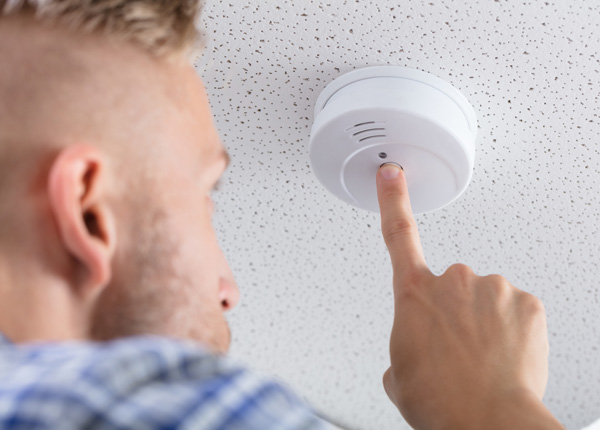
Smoke alarms in rental properties are a legal safety requirement across Australia’s residential rental market. For landlords and property investors, ensuring alarms are correctly installed and maintained is not optional, it is a core compliance obligation when leasing residential property.
However, compliance is not always straightforward. While smoke alarm legislation exists nationwide, the specific rules differ between states and territories. Requirements relating to installation, alarm types, placement, testing and upgrades can vary significantly. For investors who own property in multiple jurisdictions, understanding these differences is essential to avoid compliance risks.
This article explains why smoke alarms in rental properties are required, highlights key regulatory differences between states and territories, and outlines the responsibilities landlords must meet when leasing a property.
- Why smoke alarms in rental properties are required
- Smoke alarm requirements by state and territory
- New South Wales (NSW)
- Victoria (VIC)
- Queensland (QLD)
- Western Australia (WA)
- South Australia (SA)
- Tasmania (TAS)
- Australian Capital Territory (ACT)
- Northern Territory (NT)
- Consequences of non-compliance
- Smoke alarms and tax depreciation
- The bottom line
Why smoke alarms in rental properties are required
Smoke alarms are designed to detect fire early and alert occupants, providing critical time to evacuate. Early warning dramatically reduces the risk of injury, fatalities and major property damage.
Because of this safety function, smoke alarms are mandated in residential dwellings throughout Australia. Rental properties must meet these safety standards before they can be legally leased.
For landlords, smoke alarms represent both a safety responsibility and a regulatory requirement. Ensuring alarms are installed correctly, maintained and compliant with current legislation is an essential part of managing a rental property.
Smoke alarm requirements by state and territory
Although smoke alarms are mandatory, the specific regulatory framework differs between states and territories. Investors should be aware that installation standards, alarm types and upgrade requirements can vary considerably.
New South Wales (NSW)
In NSW, smoke alarms must be installed on every level of a residential property. Alarms are typically located in hallways outside sleeping areas so they can be heard by occupants at night.
A key feature of NSW legislation is the clear division of responsibilities between landlords and tenants. Landlords must ensure alarms are installed and operational at the start of each tenancy, while tenants are responsible for replacing removable batteries during the tenancy.
If an alarm becomes faulty, the landlord must repair or replace it as soon as possible to maintain compliance with residential tenancy regulations.
Victoria (VIC)
Victoria requires smoke alarms to be installed on every level of a home and positioned near sleeping areas. Under the state’s minimum rental standards, smoke alarms must be operational at the start of a tenancy.
A distinctive requirement in Victoria is that rental providers must ensure alarms are tested annually. This requirement is part of broader safety standards introduced to strengthen compliance obligations in rental properties.
Smoke alarms must also be replaced when they reach the end of their service life, which is typically ten years.
Queensland (QLD)
Queensland has introduced some of the most comprehensive smoke alarm reforms in Australia. Rental properties must progressively upgrade to photoelectric smoke alarms that are interconnected.
These alarms must be installed in each bedroom, in hallways connecting bedrooms and on every level of the dwelling. When one alarm activates, all alarms must sound.
The Queensland upgrade requirements are being rolled out in stages, with all rental properties required to meet the new interconnected standard by 1 January 2027.
Western Australia (WA)
In Western Australia, most rental properties must have hardwired smoke alarms connected to mains power. Battery-only alarms are generally only permitted in limited circumstances.
Another distinctive requirement is that alarms must have a backup power source, typically a battery, in case of a power failure.
Landlords must ensure alarms are operational before a new tenancy begins and must replace alarms when they reach the end of their service life.
South Australia (SA)
South Australia requires smoke alarms to be installed in all residential properties and positioned according to building safety standards.
The type of alarm required may depend on when the property was constructed. Older homes may have battery-operated alarms, while newer dwellings must typically install hardwired units connected to mains power.
Landlords must ensure alarms remain operational and comply with the requirements set out under the state’s development regulations.
Tasmania (TAS)
Tasmanian legislation requires smoke alarms to be installed in hallways outside bedrooms and on each level of a dwelling.
A distinctive feature of Tasmania’s regulations is that smoke alarms must comply with Australian Standard AS 3786 and be replaced when they reach the end of their service life.
Landlords must ensure alarms are installed and operational at the beginning of a tenancy and maintained throughout the lease period.
Australian Capital Territory (ACT)
In the ACT, smoke alarms must be installed in residential properties and must be compliant with relevant building codes.
The ACT also requires smoke alarms to be replaced once they reach ten years of age, even if they appear to be functioning correctly. This ensures the devices remain reliable and meet current safety standards.
Landlords must confirm alarms are operational before a tenancy begins.
Northern Territory (NT)
In the Northern Territory, smoke alarms must be installed in residential dwellings in accordance with building regulations. Landlords must ensure alarms remain functional and comply with building safety standards. Tenants are required to notify the landlord if an alarm stops working or becomes damaged.
Consequences of non-compliance
Failure to comply with smoke alarm regulations can create serious risks for landlords and investors.
Non-compliance may result in:
- Financial penalties issued by regulatory authorities
- Legal liability if a fire occurs and safety standards were not met
- Insurance complications or denied claims
- Increased safety risks for tenants and property damage
Because smoke alarms are a critical safety measure, regulators take compliance seriously. Landlords must ensure their rental properties meet the requirements applicable in their state or territory.
Smoke alarms and tax depreciation
When smoke alarms in a rental property are installed or replaced, the cost will generally be treated as a depreciating asset under Australian tax law. This means the cost of the alarms forms part of a property’s depreciation schedule and is claimed over time, including where upgrades are undertaken to meet compliance requirements.
In addition to capital costs, ongoing expenses such as annual smoke alarm servicing, maintenance and minor replacements are typically deductible in the year they are incurred. These costs are often overlooked but form part of the overall expense of maintaining a compliant rental property.
Ensuring both capital and ongoing costs are captured correctly can help investors maximise available deductions while maintaining compliance with safety regulations.
The bottom line
Smoke alarms in rental properties are a mandatory safety requirement across Australia. While the obligation to install and maintain alarms applies nationwide, the specific rules vary between states and territories.
For landlords and property investors, understanding these regulatory differences is essential. Staying compliant not only protects tenants but also reduces legal risk and ensures rental properties meet the safety standards required under Australian law.
From a financial perspective, smoke alarms installed in rental properties may also be eligible for depreciation deductions when captured in a tax depreciation schedule. Ensuring these assets are properly recorded can help investors claim available deductions while maintaining full compliance.
To learn more about how compliance upgrades may affect your property’s depreciation deductions, contact BMT Tax Depreciation on 1300 728 726 or Request a Quote today.
Connect with us
Stay up to date
Subscribe to receive the latest
BMT news and announcements.